Lifting in Lululemon Align Leggings: Pros, Cons & Tips
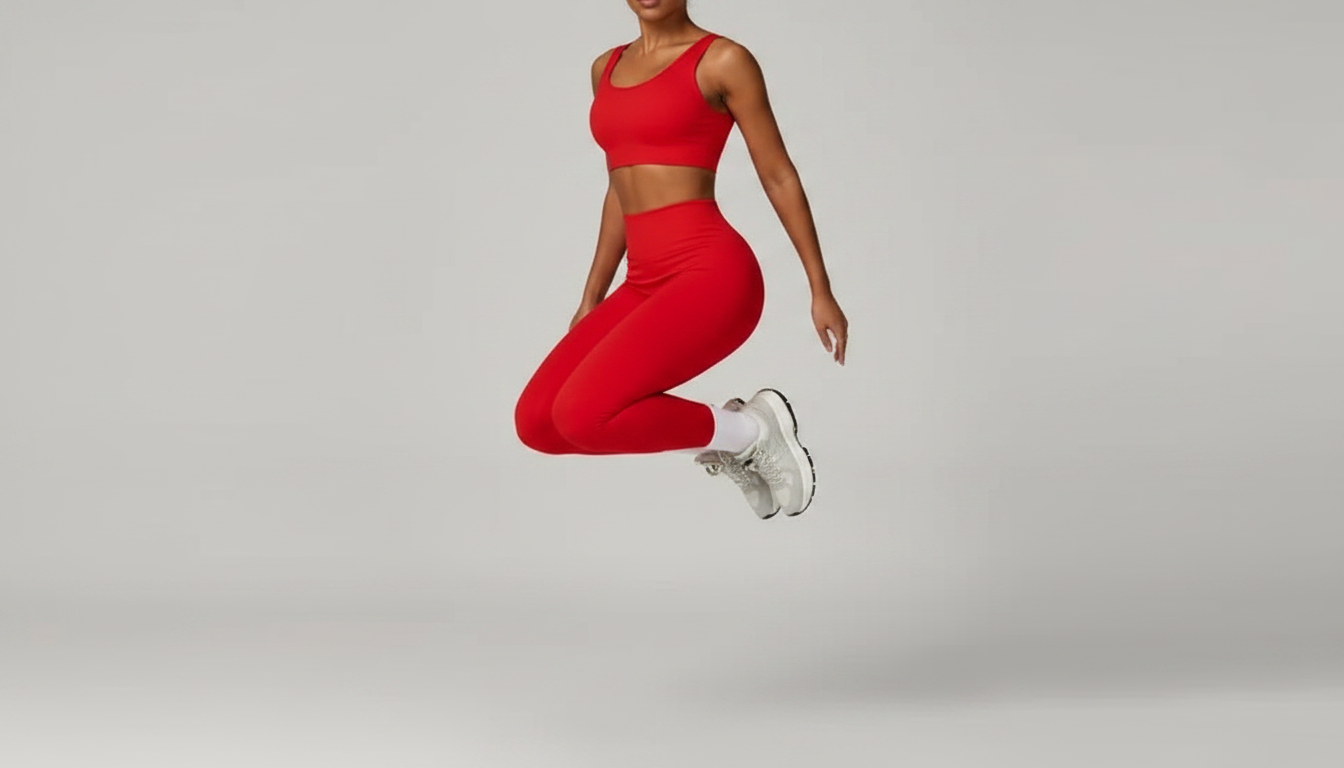
Can you weight lift in lululemon Align leggings?
Yes—lululemon Align leggings can work for weight lifting, especially for lower-impact strength sessions where comfort and mobility matter most. Aligns are made with Nulu fabric, which feels buttery soft and stretches easily for squats, lunges, and machine work. The high-rise fit also helps many lifters feel supported through core bracing and hip-hinge movements.
That said, Aligns aren’t designed as a “training-tight” first. For heavy barbell work, high-friction setups, or anything involving rough knurling against the thighs (like deadlifts with a close stance), they may be more likely to pill or show wear over time compared with more abrasion-resistant options.
What makes Align leggings good (and not so good) for lifting?
Pros for strength workouts
Aligns excel when you want zero distraction: the fabric is lightweight, the waistband is comfortable, and the stretch supports deep ranges of motion. They’re also popular for studio-style lifting, accessories, and at-home workouts where equipment surfaces are smoother and less abrasive.
Potential downsides in the gym
The tradeoff for that soft hand-feel is durability. Repeated rubbing on benches, textured flooring, Velcro, or bar knurling can lead to pilling. If the fit is even slightly tight, seams and fabric may be under more stress during heavy compound lifts.
Tips to lift in Aligns without beating them up
Choose the right size (avoid sizing down for compression), keep them away from Velcro and rough surfaces, and wash cold on gentle with like fabrics. For sessions that include lots of bar contact or outdoor training, consider rotating in a more durable training legging and saving Aligns for lighter days.
For a deeper breakdown of when Aligns work best and what to watch out for, visit the main guide here.
FAQ
What leggings are better than Aligns for heavy lifting?
Look for more abrasion-resistant training fabrics with a slightly firmer feel and reinforced seams. These hold up better to bar knurling, repeated bench contact, and high-friction movements while still allowing a full squat depth.









Leave a comment