Handheld Pulse Stimulator for Sleep: Calm Nights Guide
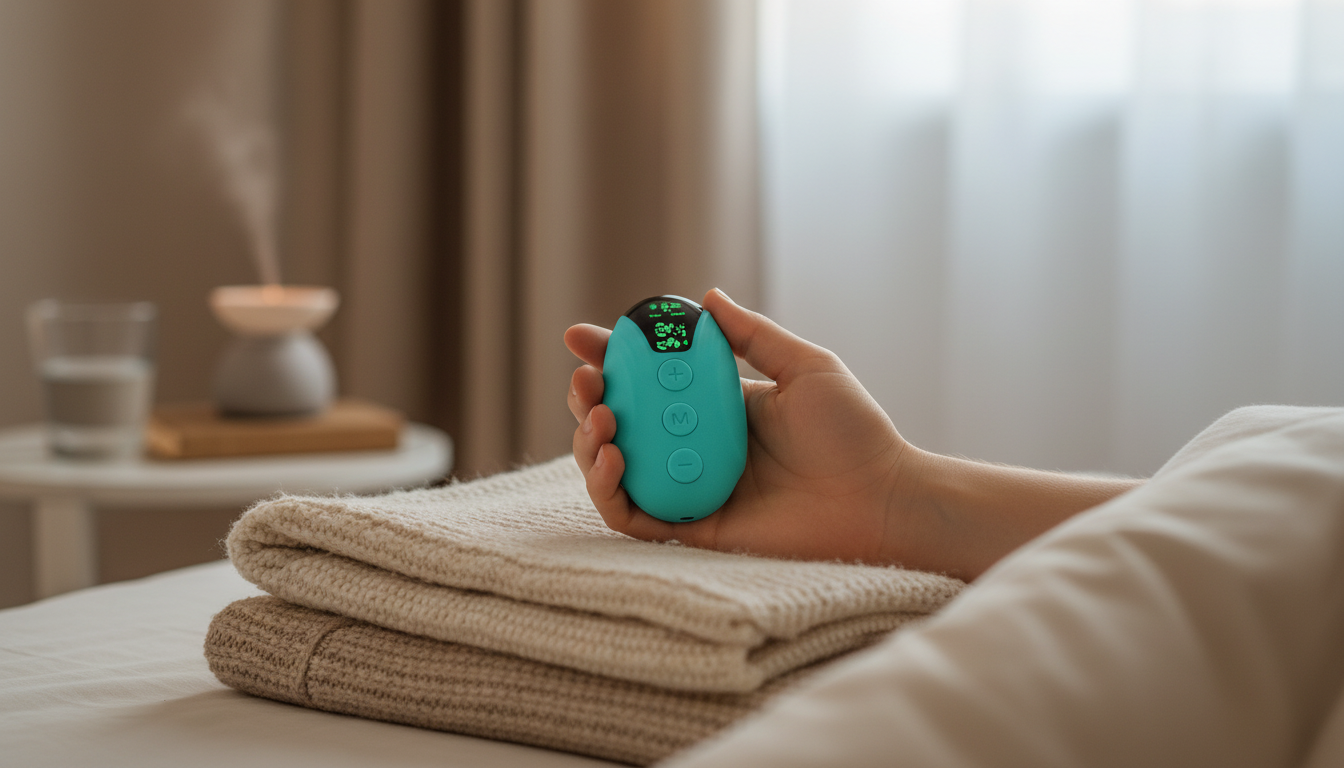
Smart Sleep & Anxiety Relief Handheld Pulse Stimulator: A Practical Guide to Calmer Evenings
Racing thoughts, a tense body, and that “wired-but-tired” feeling can make it tough to ease into sleep. A handheld pulse stimulator is designed to deliver gentle, controlled pulses you can use during a nightly routine or a stressful moment—without screens, scrolling, or complicated setup. Used thoughtfully, it can become a simple cue that your day is winding down.
Below is a practical, safety-first guide to what these devices are meant to do, who they’re best for, how to use one comfortably, and what to look for before buying. For broader sleep and anxiety education, see the National Heart, Lung, and Blood Institute’s healthy sleep resources and the National Institute of Mental Health overview of anxiety disorders.
What a handheld pulse stimulator is designed to do
A handheld pulse stimulator provides mild electrical pulses intended to promote relaxation and comfort through external stimulation. Many people reach for it during pre-sleep downtime because it’s quiet, compact, and doesn’t add blue light or notifications to an already busy brain.
It’s best viewed as a supportive wellness device rather than a replacement for professional care for anxiety or sleep disorders. Results can vary based on sensitivity, routine consistency, and the rest of your sleep habits—especially timing of caffeine, alcohol, exercise, and late-night screen use.
Who tends to find it helpful (and who should skip it)
These devices often appeal to adults who want a simple calming ritual: brief sessions, a quiet environment, and steady breathing. They can be a good fit for anyone who prefers tactile relaxation tools over apps, audio tracks, or long guided routines.
That said, pulse stimulation isn’t for everyone. It is generally not recommended for anyone with a pacemaker or implanted electronic device, or certain heart conditions, unless cleared by a clinician. Avoid use on broken or irritated skin, and stop immediately if you feel discomfort, dizziness, or unusual symptoms.
If insomnia, panic, or anxiety is persistent or worsening, it’s worth getting guidance from a qualified healthcare professional. For insomnia background and red flags, NIH MedlinePlus on insomnia is a helpful starting point.
Quick suitability check
| Situation | Suggested action |
|---|---|
| Occasional stress before bed | Try short sessions as part of a wind-down routine. |
| Sensitive skin or irritation | Use with caution; discontinue if redness or discomfort occurs. |
| Pregnancy or neurological/heart conditions | Consult a clinician before using. |
| Implanted medical device (e.g., pacemaker) | Do not use unless explicitly approved by a clinician. |
How to use it in a bedtime wind-down routine
The goal is to create a repeatable “downshift” rather than chase a dramatic sensation. Start low and slow: begin with the lowest intensity and only increase if it stays comfortable. Keeping sessions short—often 5 to 15 minutes—makes it easier to notice whether you feel calmer or more alert afterward.
For best results, pair it with a calming cue (dim lights, light stretching, or a brief breathing practice). Also, avoid using it immediately after caffeine, intense workouts, or heated conversations; a short transition period helps your body move out of high gear.
Tracking what helps can make the routine more personal: note the time used, intensity/mode, and how long it took to fall asleep. After a week or two, patterns often show up—like “gentle setting + longer exhales” working better than higher intensity.
Simple 10-minute pre-sleep plan
| Minute | Action | Goal |
|---|---|---|
| 0–2 | Lower lights, silence notifications | Reduce alertness triggers |
| 2–7 | Use the device on a comfortable setting | Support physical relaxation |
| 7–10 | Slow breathing (e.g., longer exhales) | Settle the nervous system before sleep |
Comfort and safety tips that improve the experience
Comfort matters more than intensity. Stronger isn’t necessarily better for relaxation, especially if it feels “activating.” Keep skin clean and dry where the device contacts; oils and lotions can change how the sensation feels and may increase irritation for sensitive users.
What to look for in a handheld pulse stimulator
Feature checklist
| Feature | Why it matters | What to check |
|---|---|---|
| Multiple intensity levels | Helps fine-tune comfort | Lowest setting should feel gentle |
| Mode variety | Different sensations suit different people | Modes should be easy to switch |
| Grip and size | Encourages consistent use | Comfortable one-hand operation |
| Power/charging | Prevents missed sessions | Battery/charging details are clear |
Product overview: Smart Sleep & Anxiety Relief Handheld Pulse Stimulator
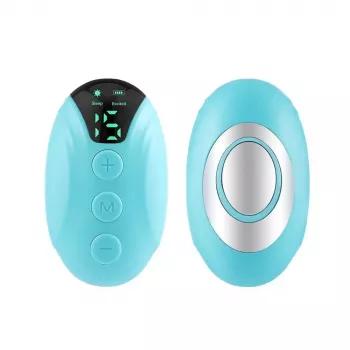
If you want a compact tool that fits easily into a wind-down routine, the Smart Sleep & Anxiety Relief Handheld Pulse Stimulator is a straightforward, budget-friendly option. Its handheld format is designed for convenient use during short relaxation breaks and bedtime routines, particularly when you want something screen-free and quiet.
For those who like pairing physical routines with mindset structure during the day, the Train Your Mind to Think Like a Millionaire (digital workbook) can be a complementary, non-device tool for building consistency and planning habits—helpful because daytime organization often reduces nighttime rumination.
Pairing it with non-device habits for better nights
FAQ
How long should a session be before bed?
Start with a short session (around 5–10 minutes) at a comfortable intensity. If you feel calmer afterward, you can adjust gradually; if it feels stimulating, shorten the session or use an earlier cutoff.
Can it replace treatment for anxiety or insomnia?
No—think of it as a supportive relaxation tool, not a medical replacement. If anxiety, panic, or insomnia is persistent, severe, or getting worse, professional guidance is the safest next step.
Is it safe for everyone to use a pulse stimulation device?
Not for everyone. Avoid use with implanted medical devices unless a clinician approves, don’t use on broken or irritated skin, and stop if discomfort or unusual symptoms occur; consult a clinician for pregnancy or underlying medical conditions.







Leave a comment